Worcester Properties. Clear Next Steps.
Asbestos Removal in Worcester, Massachusetts
Tell us what you have found. Get a Free Estimate
Worcester Properties. Clear Next Steps.
Tell us what you have found. Get a Free Estimate
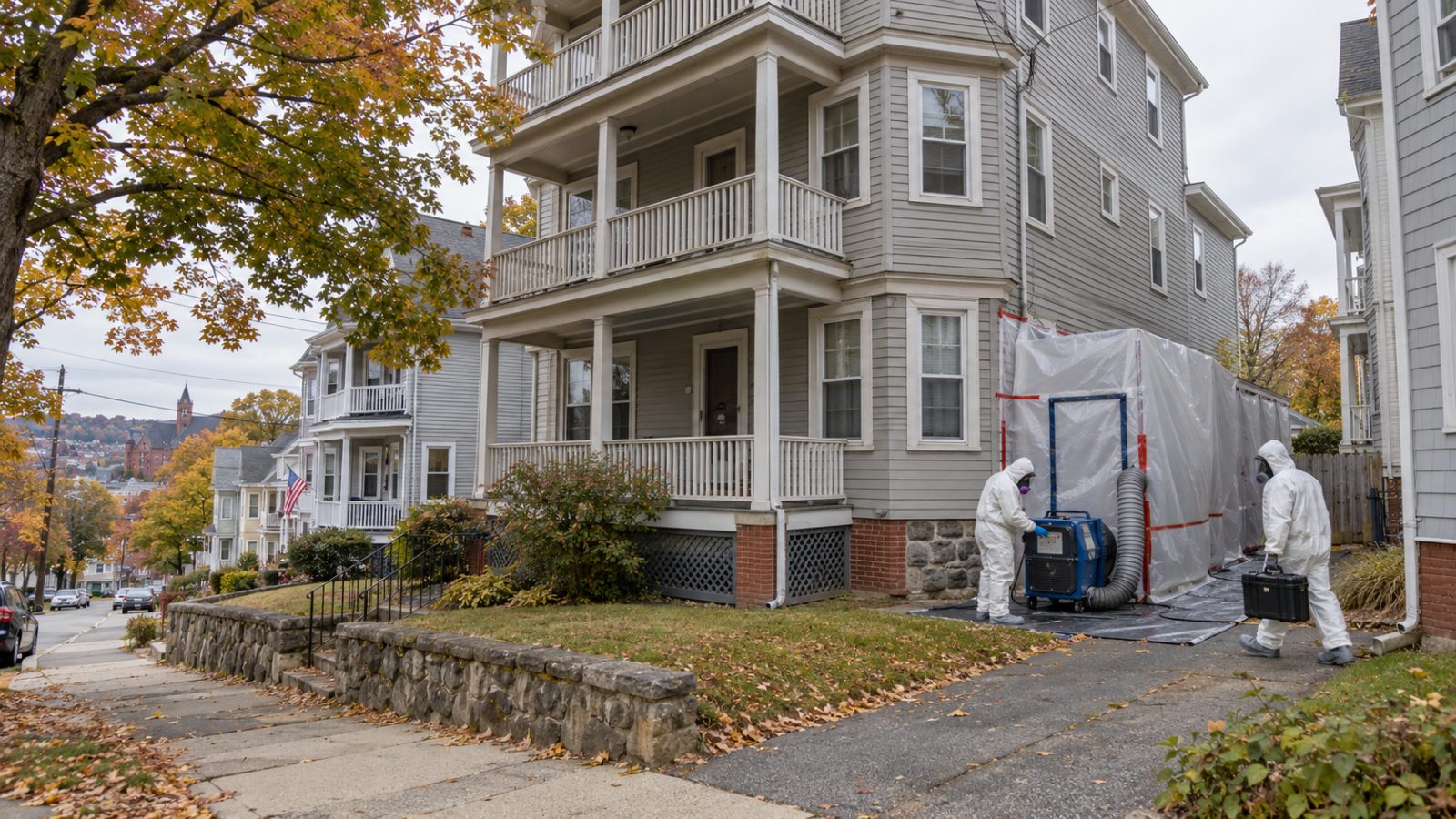
Finding questionable insulation or old flooring can interrupt an otherwise straightforward project. Worcester Asbestos Removal helps property owners discuss vermiculite attic insulation removal, asbestos pipe insulation removal, and asbestos floor tile removal in Worcester and the surrounding service area. Tell us what prompted your concern, which part of the building is involved, and what work you are planning. You do not need to know the technical name of the material to start a conversation.
Leave suspected asbestos undisturbed, and do not sweep or vacuum questionable debris. Seek professional advice before continuing work around it. Our first conversation is about understanding your situation, not pushing you toward a predetermined job. Bring any existing inspection reports, describe your deadline, and let us know who uses the affected space. We can then discuss the information needed for a meaningful removal estimate.
We believe you should understand a proposed asbestos project before deciding whether to move forward. That means discussing the material involved, the boundaries of the work, the information still missing, and the people responsible for each stage. A conversation should leave you better informed, not buried in terminology. We would rather explain an unfamiliar term twice than leave you guessing about something that affects your home or your budget.
Our focus is deliberately specific. This site covers three services: vermiculite attic insulation removal, asbestos pipe insulation removal, and asbestos floor tile removal. Keeping those services clearly separated helps us talk about the right questions for each project. An attic insulation concern calls for a different discussion from a basement pipe replacement or a flooring renovation. Your estimate should reflect the actual work being considered, rather than treating every asbestos concern as the same problem.
We want the planning conversation to include everyday details. Tell us about a shared entrance, a basement laundry area, a home office, a tenant schedule, or a contractor waiting to continue another job. Those details belong in the project discussion, not in a last-minute conversation after a date has been chosen. We also want to know who can approve changes and how you prefer to receive updates.
Our standard for useful communication is simple: explain what is known, identify what still needs checking, and describe the next decision. We do not want a reassuring phrase to take the place of a written scope. Nor should a removal estimate be confused with a promise to complete unrelated plumbing, flooring, insulation installation, or building repairs. Clear boundaries make it easier to understand the proposal and decide how it fits into the larger project.
More about us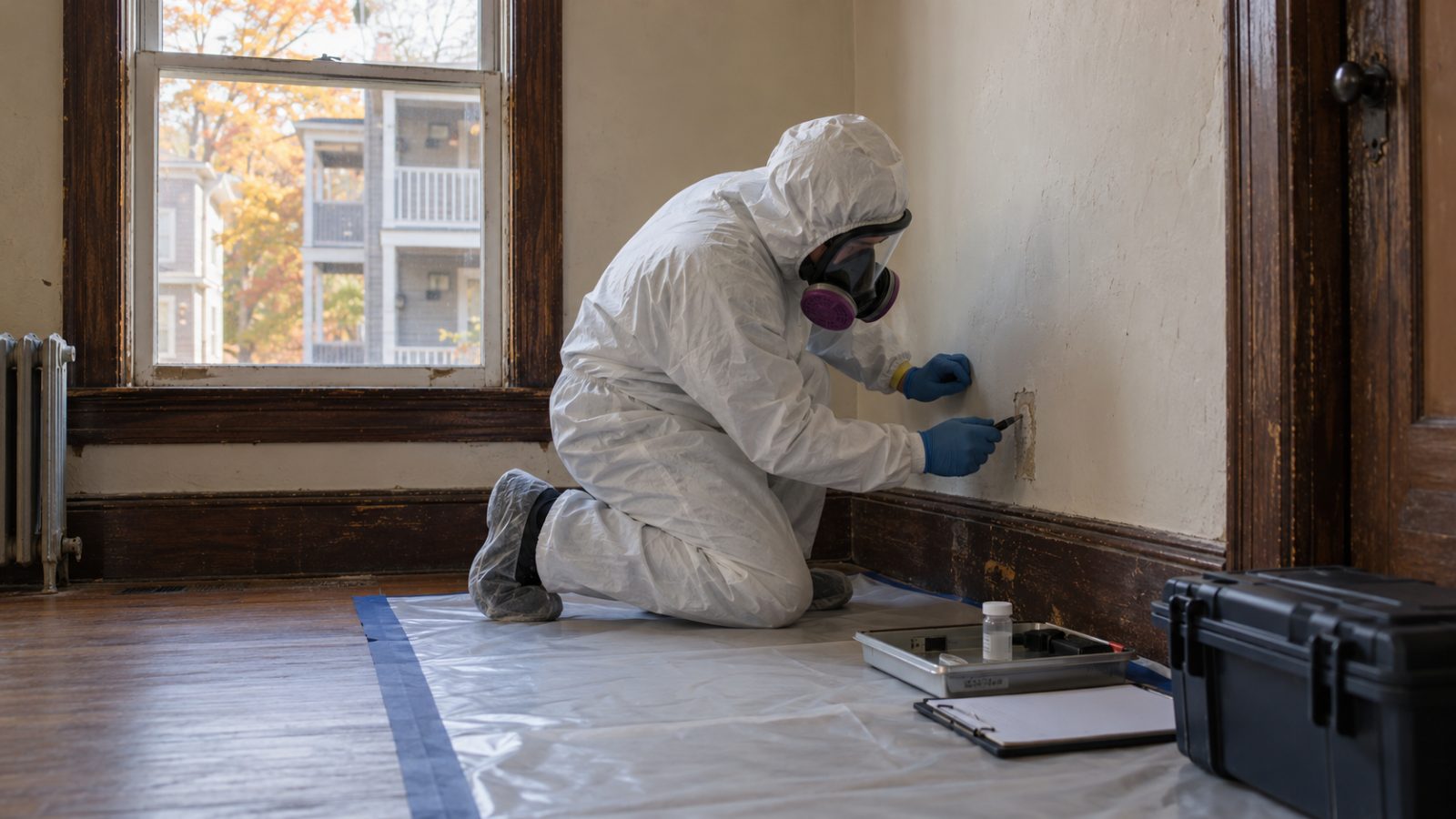
Choose the service that matches the material involved, or describe your concern when you contact us. Existing reports and the purpose of your renovation are useful starting points. We can discuss the project without asking you to collect a sample or expose more material. Vermiculite attic insulation removal is for property owners considering removal of vermiculite insulation from an attic. The U.S. Environmental Protection Agency recommends treating vermiculite insulation as potentially asbestos-contaminated and leaving it undisturbed. Tell us whether the proposed work involves insulation replacement, access for another trade, or a broader attic renovation. We will also ask about the attic entrance, stored belongings, and any information already available about the insulation. The removal scope should distinguish the attic material from replacement insulation, air sealing, electrical work, and other improvements you may be planning. Those are separate decisions, even when they are part of the same renovation. For asbestos pipe insulation removal, start by explaining what the heating or plumbing contractor needs to access. A proposal should identify the specific pipe runs and fittings involved, rather than relying on a general description such as basement insulation. Share any existing material report and describe whether the surrounding space is used for storage, laundry, or access to equipment. We also want to understand the handoff between insulation removal and the next contractor. Removing insulation is not the same as repairing a leak, replacing a boiler, or installing new pipe insulation. The written scope should make those distinctions clear before anyone commits to the larger schedule. For asbestos floor tile removal, tell us which rooms are involved and what the new floor installer expects to receive. Tile removal, adhesive treatment, substrate repairs, and finished-floor installation should not be bundled together through assumptions. We want to establish which layers are included, what remains outside the proposal, and how any concealed conditions will be addressed. Existing reports, room measurements already on hand, and the intended use of the space can help guide that discussion. There is no need to lift another tile to give us a better description. Start with the information you already have.
Discuss vermiculite attic insulation removal with a scope built around your property and renovation plans.
Learn more →Plan pipe insulation removal around the specific pipe runs, access needs, and next trade involved.
Learn more →Define floor tile removal, adhesive questions, and the handoff to your new flooring contractor.
Learn more →Worcester is our primary service location, with Shrewsbury, Auburn, and Millbury included in our service area. You can contact us about any of the three featured services at a property in those communities. Please provide the actual project address when making an inquiry, even when your mailing address or billing address is elsewhere. We will use the project details to discuss access, availability, and the next appropriate step.
A local service should still be specific to your building. Tell us whether you are asking about an owner-occupied home, a rental property, or another building, and explain who will be available to discuss the scope. A shared basement, a narrow entrance, or several people involved in approvals should be raised early. We do not assume that two properties in the same town need the same proposal. Your building, your intended work, and the material information available should lead the conversation.
Before choosing a work date, think about what needs to happen before and after the proposed removal. You may have an inspector preparing a report, a heating contractor waiting for access, or a flooring installer who needs a clearly defined starting surface. Ask each party what information they need and which decisions belong to them. We want the removal scope to fit into that wider plan without implying that every related task is included.
Allow room in the discussion for applicable notification requirements rather than assuming removal can begin immediately. Ask who will confirm the requirements for your project and account for them in the schedule. A useful proposal should also identify responsibility for any required independent monitoring, the completion information you will receive, and the next contractor's handoff. Bring your preferred deadline to the conversation, but treat the start date and completion date as matters to confirm after the scope and project requirements have been reviewed.
See all service areas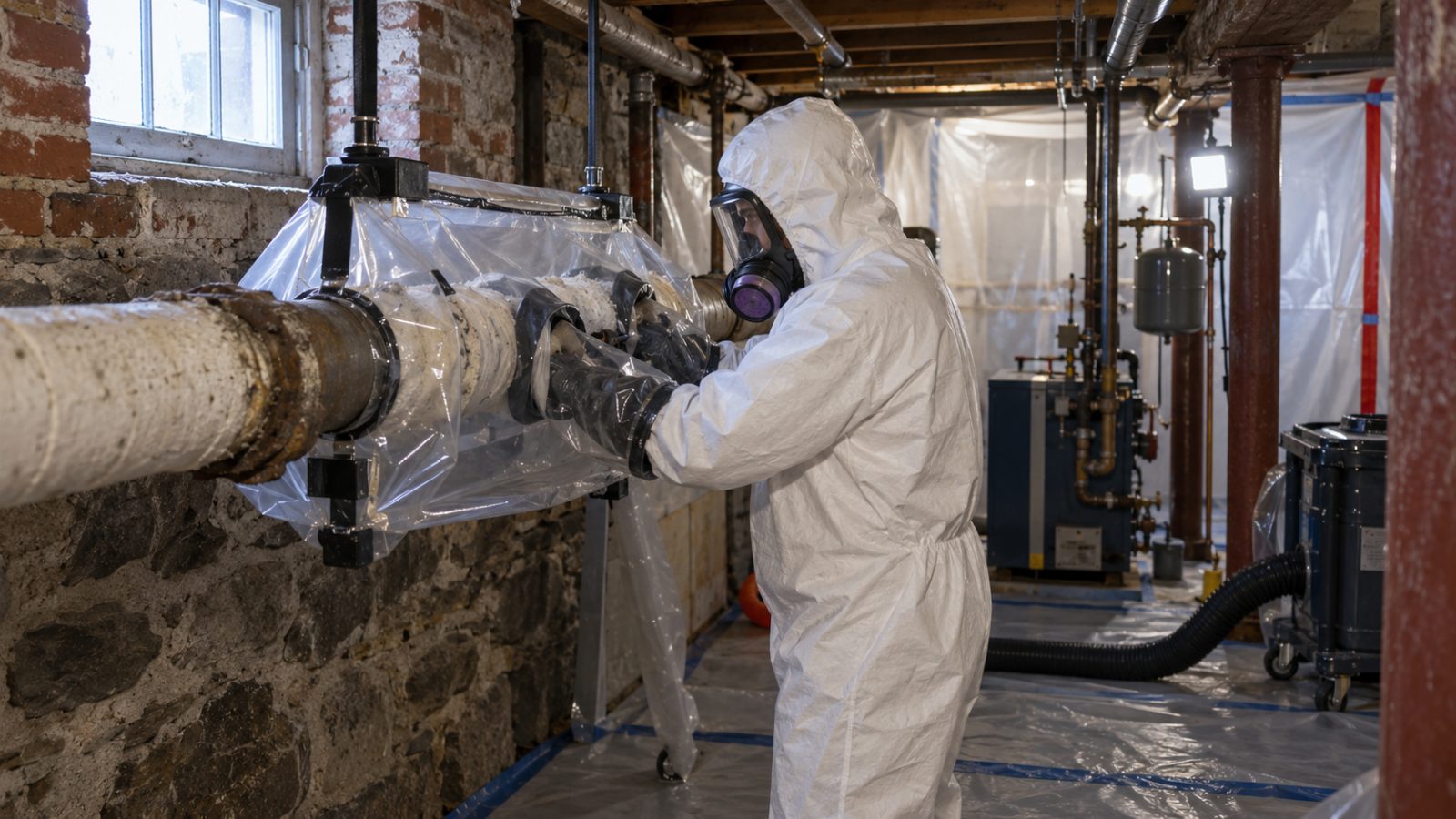
We want the proposal to identify the material, location, and boundaries of the work rather than relying on broad promises. Knowing what is included, what is excluded, and what would require a change helps you make a more informed decision.
You should not need a background in construction to understand the conversation. Ask us to explain an unfamiliar term, describe the next step again, or clarify how a proposed task relates to the concern that brought you here.
Tell us about shared entrances, household routines, tenant arrangements, and any essential equipment near the proposed work area. We want those practical needs included in planning instead of assuming that every part of the building can simply be taken out of use.
We distinguish removal from testing, independent monitoring, replacement materials, and repairs by other trades. That keeps the conversation focused and gives you a clearer basis for comparing proposals that may otherwise appear to cover the same work.
When a proposal depends on assumptions about access or concealed materials, those assumptions should be visible. Our approach is to discuss the effect of a changed scope before treating additional work as an automatic part of the original agreement.
We want you to understand what completion means for the agreed scope and what information belongs in your property records. We also want the next contractor to know which tasks remain theirs, rather than interpreting removal as a finished renovation.
Not always. The U.S. Environmental Protection Agency explains that material in good condition may be left in place when it will remain undisturbed. Have an appropriately qualified professional assess damage or planned disturbance before deciding on removal.
A description can start the conversation, but our written estimate needs a defined scope. Tell us which material and rooms are involved, share any existing reports, and explain the work you are planning. We will identify what additional information is needed rather than present an unsupported average as your price.
Confirm the legal contracting business and its applicable Massachusetts asbestos-removal license through the Department of Labor Standards. Ask for a written proposal that clearly identifies responsibilities and exclusions. Check which services are included and which professionals must be arranged separately before agreeing to work.
Yes. Those three towns are included in our service area alongside Worcester. Share the project address and the service you need so we can discuss availability and the information required for an estimate.
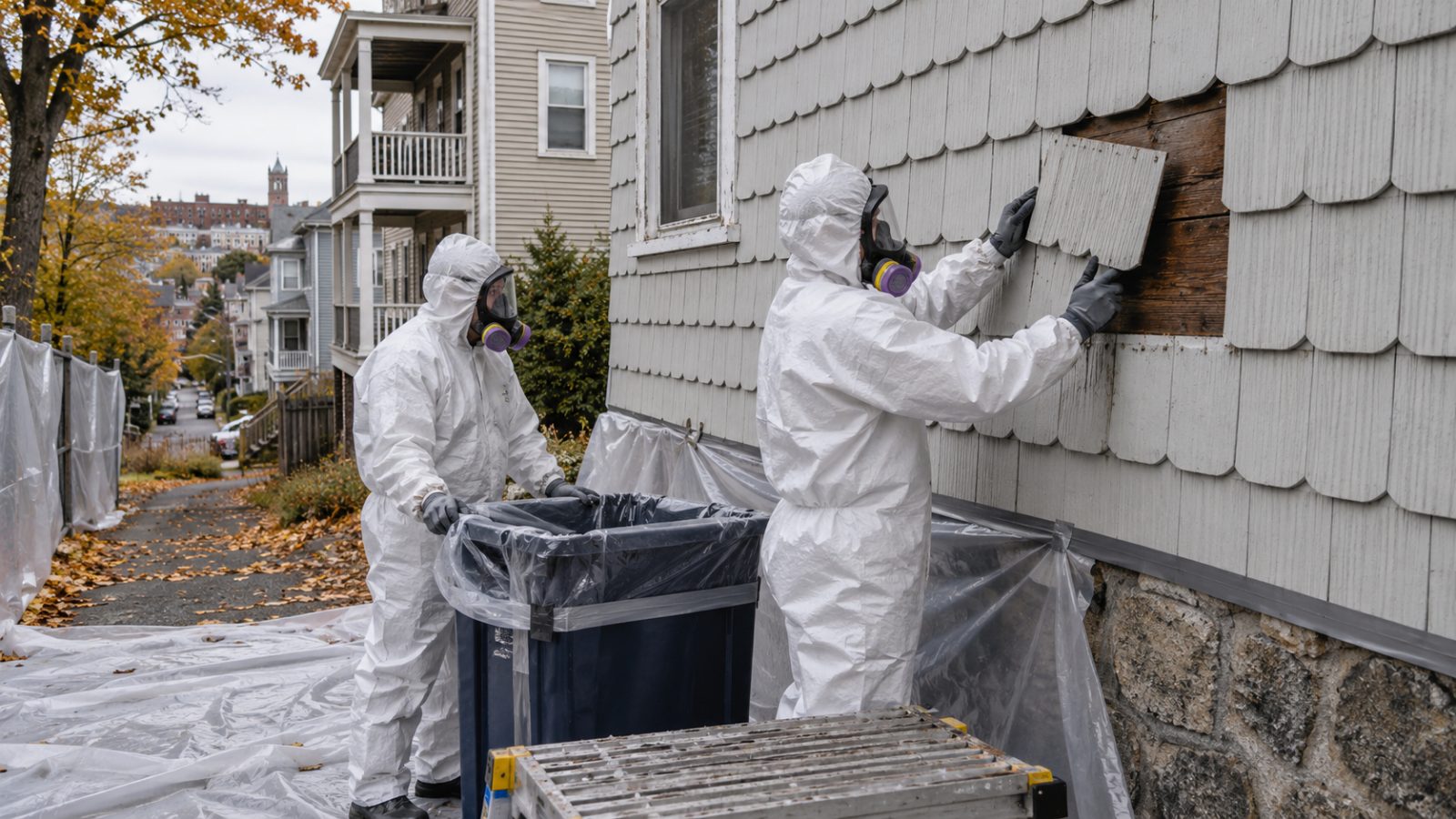
Start with your questions, your project address, and any reports you already have. We will discuss the information needed for a clear removal proposal.
Free — no obligations